I. Typical Application Scenarios of Laser Cutting Fabric
Due to the characteristics of fabrics, such as softness and easy deformation, while traditional die cutting or mechanical processing methods involve mechanical stress and relatively low precision, traditional processing methods cannot meet the processing requirements of complex patterns and high-precision designs. Laser cutting, utilizing the advantages of non-contact processing, can complete high-precision contour cutting and localized processing without touching the material. Therefore, it is widely used in multiple industries. Especially in processing fields such as apparel, textiles, and automotive interiors, laser processing often has unique advantages.
In the apparel industry, laser cutting is used for cutting garment pieces in high-end customized clothing, sportswear, and functional apparel. Especially for complex curve designs, hollow patterns, and highly repetitive batch cutting, laser systems can maintain stable and consistent edge quality, avoiding the stretching and deformation problems caused by traditional cutting tools.
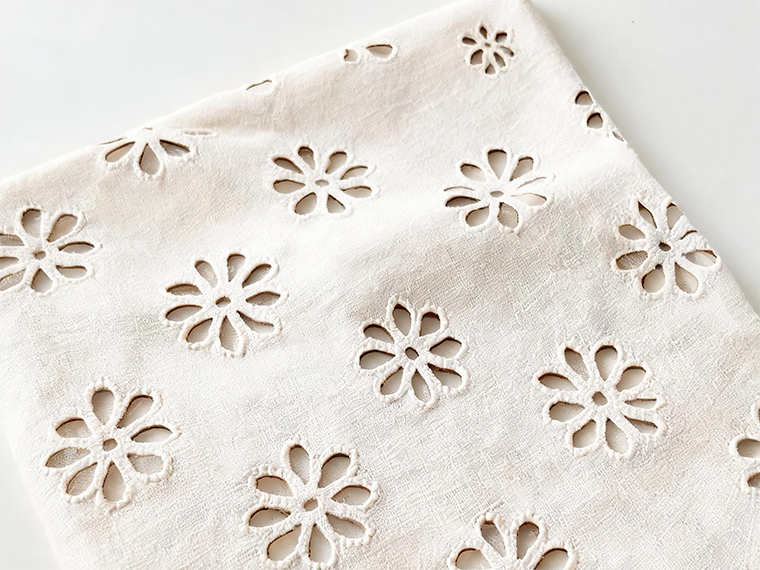
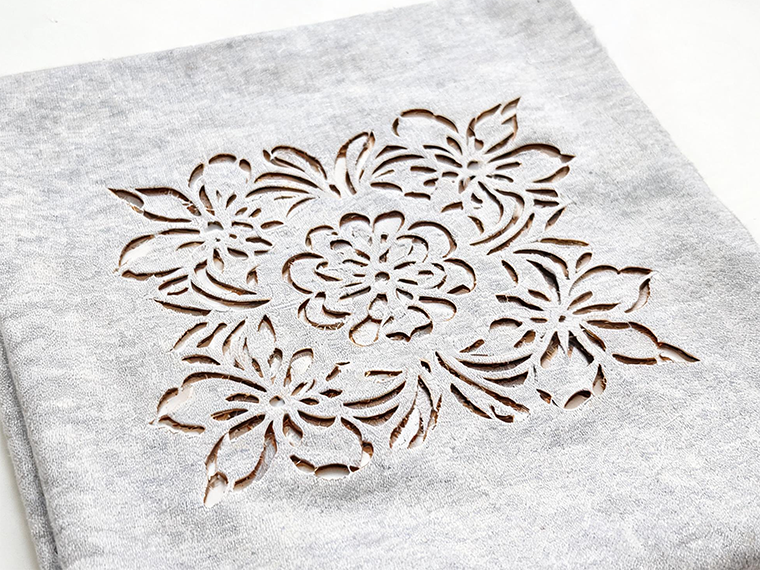
In the home textile field, such as curtains, tablecloths, and decorative edges of bedding products, laser cutting can achieve fine patterns and burr-free processing, making products visually more premium.
In the automotive interior industry, the cutting of fabrics and composite materials requires extremely high consistency and low error. Laser cutting can be used for cutting seat fabrics, headliner materials, and sound insulation materials, improving overall assembly efficiency and consistency.
II. The Core Role of the Laser Cutting Controller
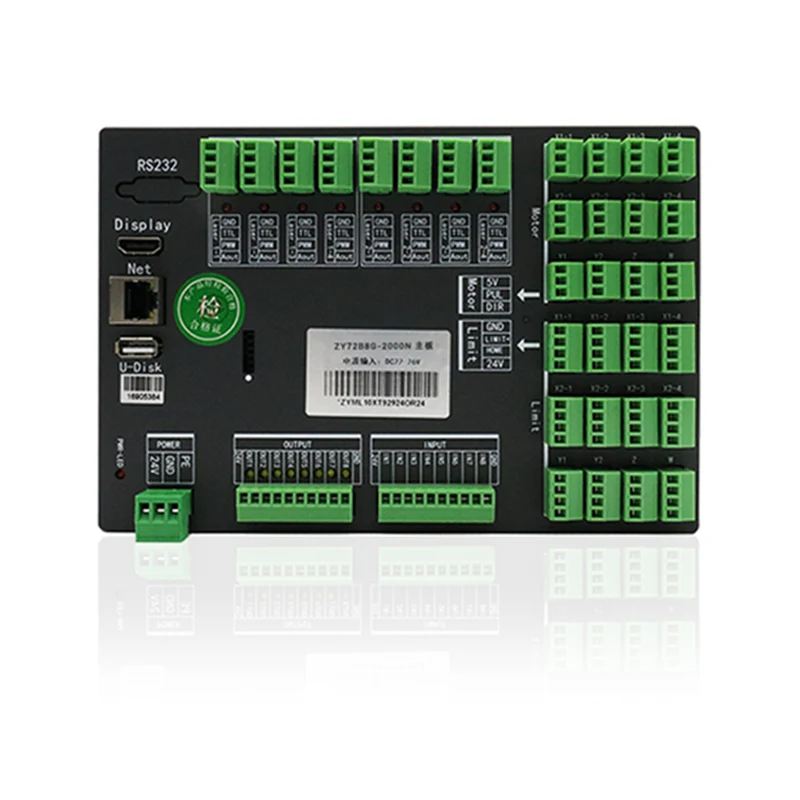
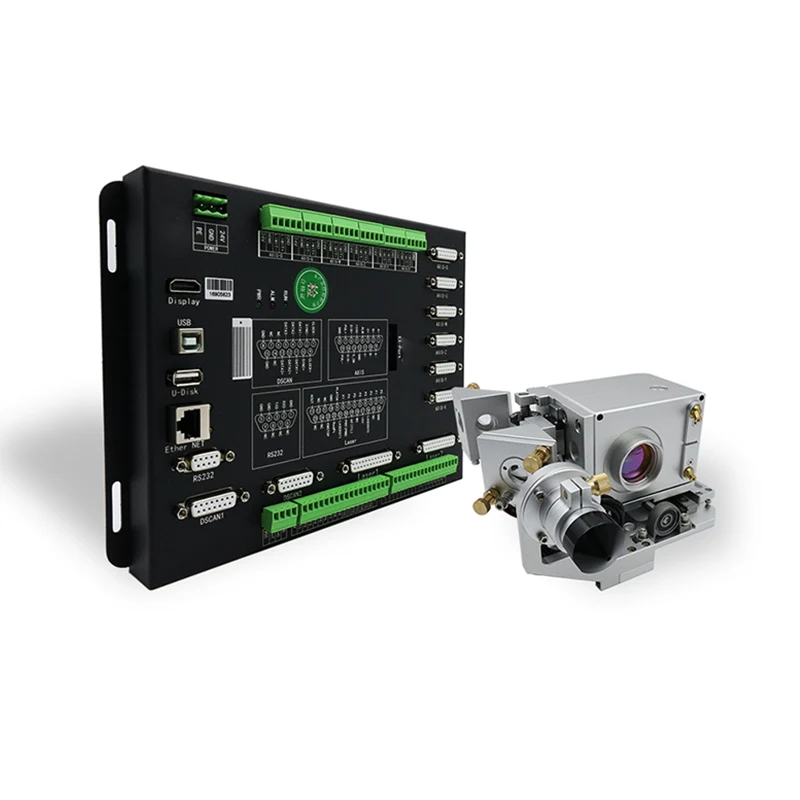
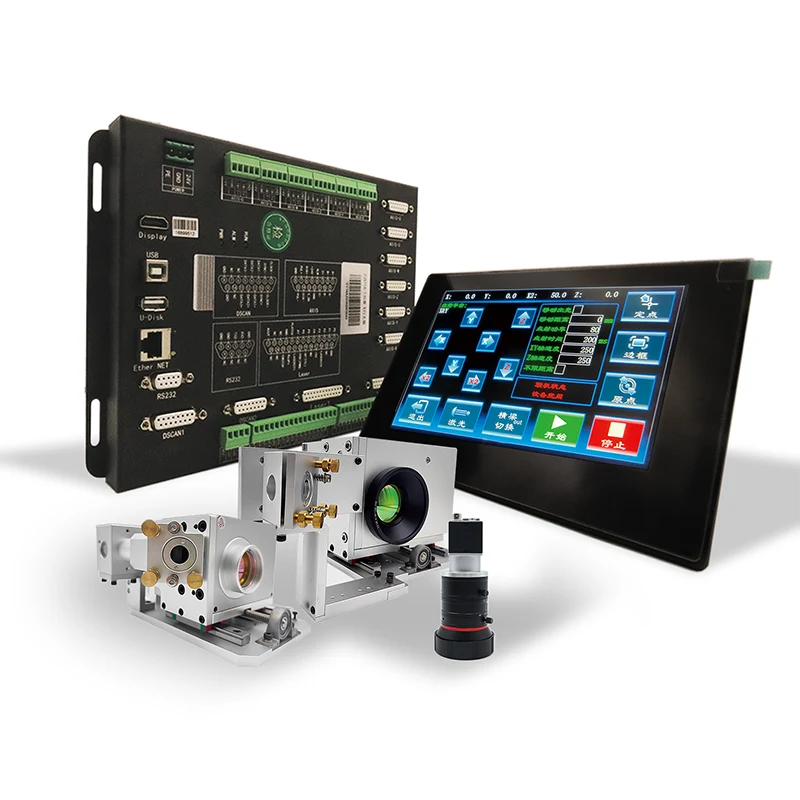
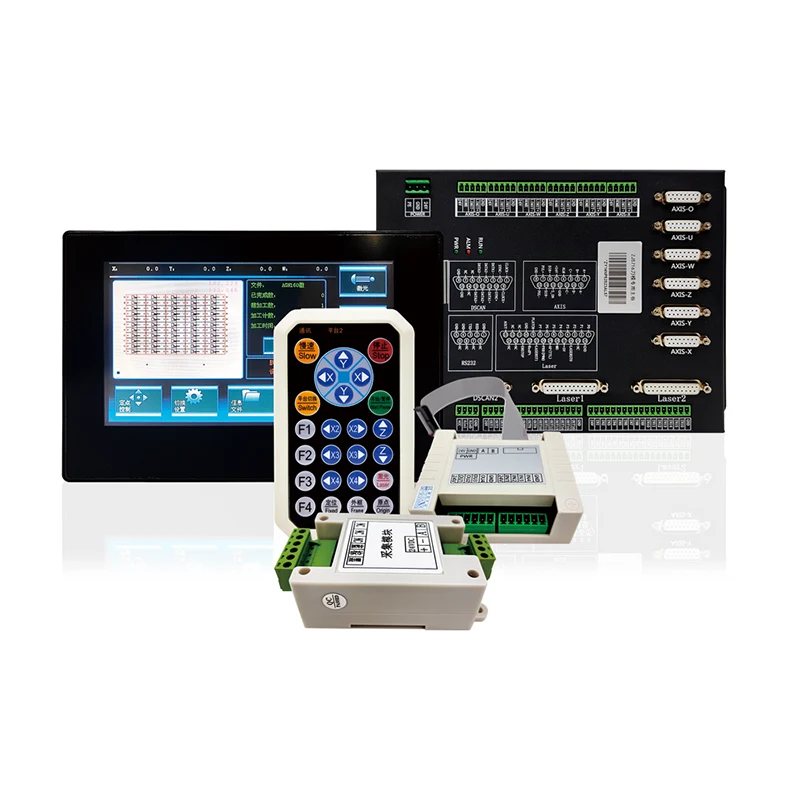
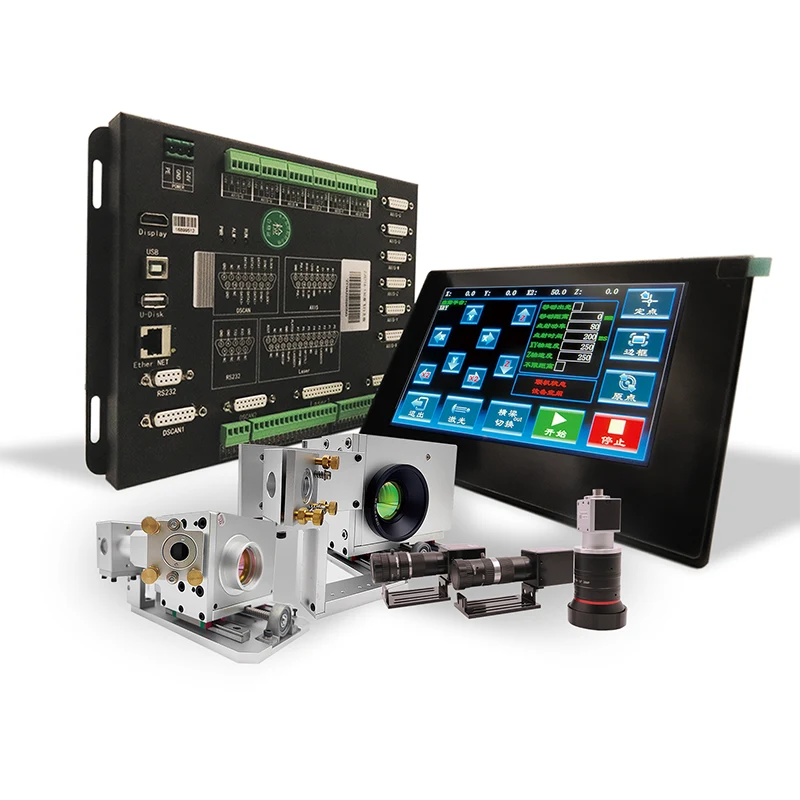
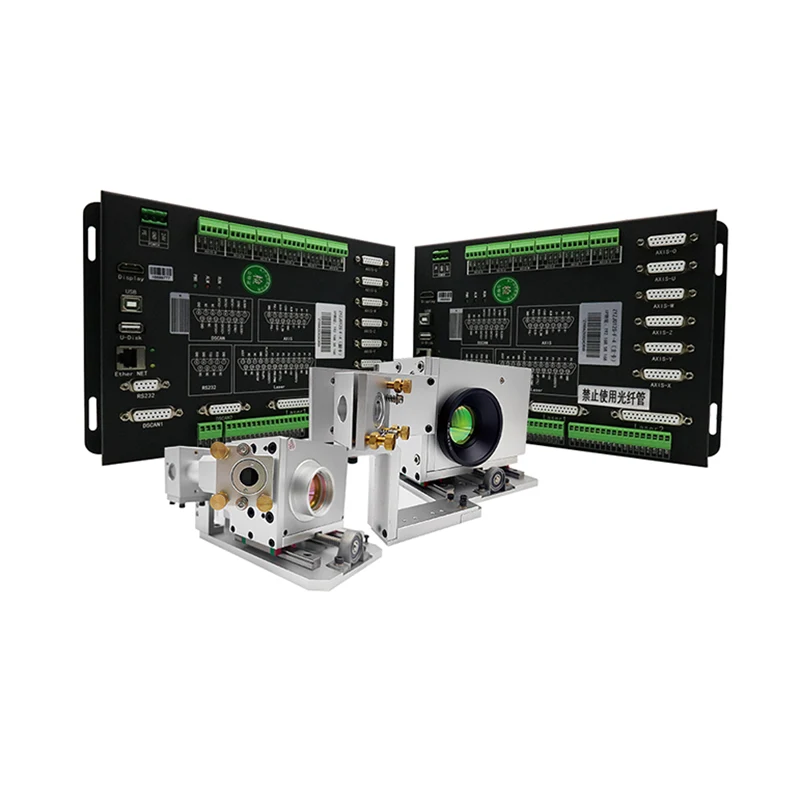
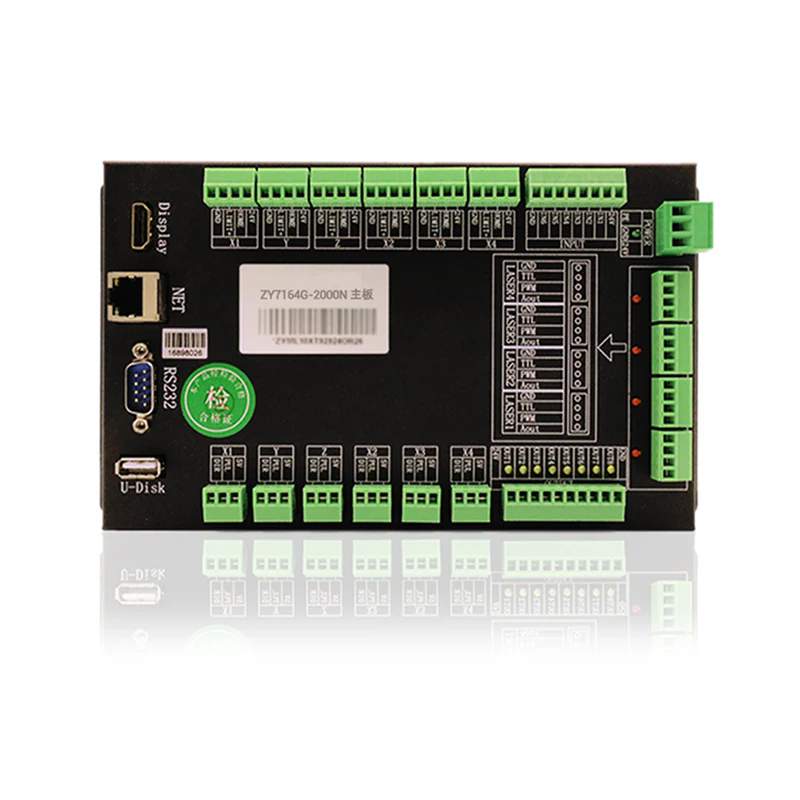
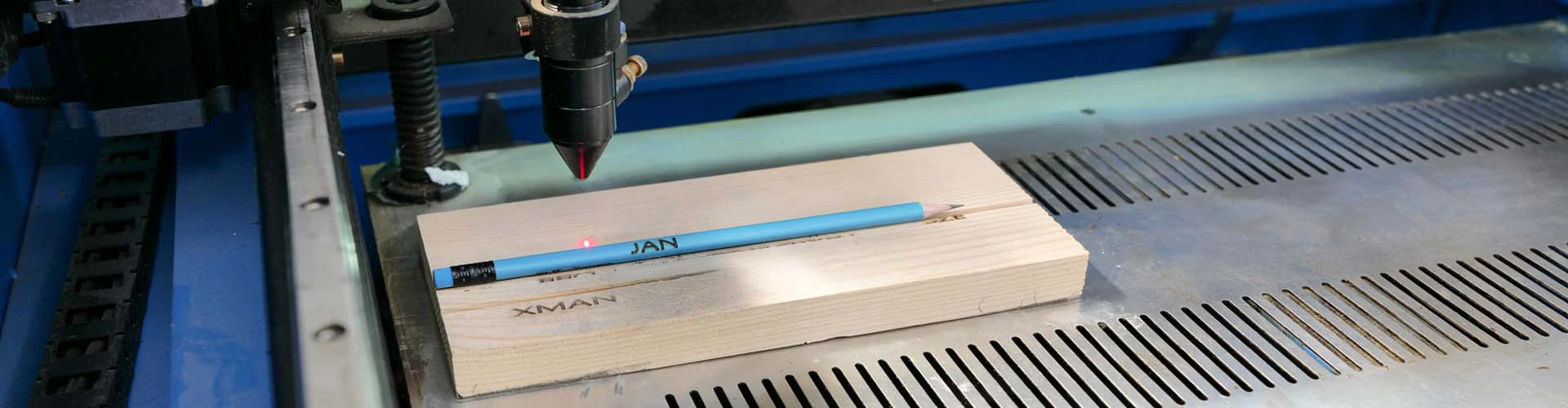
Many people tend to focus on the laser equipment itself, but in reality, the true core of laser processing is the laser control system. Its role can be understood as an “industrial-grade real-time decision-making and execution center.”
First, it is responsible for path planning and motion control. The controller needs to convert the graphic paths generated by design software into continuous and smooth motion trajectories, and coordinate the movement of the X/Y axis motors, allowing the laser head to maintain geometric accuracy even during high-speed operation.
Second, it controls the dynamic matching between laser power and processing speed. When cutting fabrics of different thicknesses or densities, if the power output and movement speed are not properly matched, problems such as burning, incomplete cutting, or edge fuzzing may occur. High-performance controllers can achieve real-time power modulation, making cutting edges more stable.
III. Why Controller Quality Directly Affects Fabric Cutting Results
In fabric laser cutting, the performance of the laser controller often determines the processing quality of the product.
The first factor is edge quality. Fabric is highly prone to producing burnt edges or hardening due to the expansion of the heat-affected zone. An excellent controller can reduce energy accumulation during cornering, emergency stops, and acceleration stages through more precise power modulation algorithms, thereby achieving cleaner cuts.
The second factor is complex pattern processing capability. In apparel design, curves, hollow patterns, and repetitive designs are widely used. If the controller’s interpolation capability is insufficient, path vibration or corner distortion may occur, resulting in accumulated cutting errors in garment pieces.
The third factor is production stability. Fabric cutting is often a continuous batch operation. Any instability in the control system can reduce batch consistency and even cause material waste. High-quality controllers can maintain a stable production rhythm during long-term operation.
The fourth factor is equipment expansion capability. Modern laser equipment increasingly integrates vision positioning, automatic feeding, and multi-head cutting systems. If the controller architecture is closed or lacks sufficient computing power, it will not be able to support these advanced functions.
IV. Key Technical Characteristics of Excellent Control Systems
In practical industrial applications, a mature laser cutting controller usually features high precision, high stability, and excellent yield rates.
Higher processing accuracy can meet the processing requirements of some high-end customized textile applications. During laser processing, it can effectively avoid issues such as burnt edges, burrs, or incomplete cutting.
Good stability ensures continuous and stable production. Apparel and textile orders often have strict delivery deadlines. Once production interruptions occur due to equipment instability, it will not only affect the loss of the order but may also damage the company’s reputation.
Yield rate represents material utilization efficiency. Excellent yield rates usually indicate reduced material waste, helping enterprises save costs.

V. What Choosing a Good Controller Means
From a manufacturing decision perspective, choosing a good laser cutting controller essentially means choosing the upper limit of production capability.
If the controller performance is insufficient, even a higher-power laser source cannot be converted into stable and repeatable processing quality. In fabric processing, where edge quality is extremely sensitive, even small differences in the controller will be amplified and ultimately reflected in the appearance of finished products and yield rate.
On the other hand, an excellent control system can significantly reduce machine setup costs and operational difficulty. For apparel and flexible manufacturing enterprises, reducing manual parameter adjustment time means higher production line efficiency and lower technical barriers.
Furthermore, under the trend of intelligent manufacturing, the controller also determines whether the equipment has digital expansion capabilities. For example, whether it supports remote monitoring, cloud synchronization of process parameters, and integration with MES systems. These capabilities are gradually becoming basic requirements for modern factories.
Conclusion
Laser cutting fabric is not only a processing method but also a system engineering discipline integrating optics, mechanics, and control algorithms. Within this system, the laser cutting controller plays the role of the “brain,” determining whether the equipment can truly realize the advantages of laser processing.
From practical applications, whether it is the trend toward refined apparel design or the requirement for high consistency in industrial material processing, an excellent control system is a key foundation for achieving stable production and high-quality output. Choosing a controller is essentially choosing the boundary of future production capability.